Choosing a math tutor for your child is one of the most important academic decisions you can make. A great tutor can turn frustration into confidence, confusion into clarity, and anxiety into steady progress.
But what really makes a math tutor great — especially for kids?
Many parents search for:
- “best math tutor for kids near me”
- “math tutoring for elementary students”
- “how do I choose a good math tutor?”
What they truly want is someone who doesn’t just explain math, but also builds confidence, patience, and a positive attitude toward learning.
In this guide, we’ll walk through the key qualities that make a great math tutor for kids, so you can make a confident, informed choice for your child.
Why the Right Math Tutor Matters
Math is a subject where confidence is often just as important as ability. When a child feels “bad at math,” they may:
- avoid homework
- shut down when problems get hard
- become anxious before tests
- start to believe they will never “get it”
A great math tutor helps your child:
- feel safe making mistakes
- understand concepts clearly, not just memorize rules
- rebuild the foundation where there are gaps
- experience small wins that grow into long‑term confidence
Over time, the right tutor doesn’t just improve grades — they change how your child thinks and feels about math.
If you’ve noticed your child is consistently frustrated or falling behind, you may also want to read: “Why Is My Child Struggling with Math?” for a deeper look at common causes.
1. A Great Math Tutor Focuses on Understanding, Not Memorization
Many children struggle in math because they’re trying to memorize steps instead of understanding why those steps work.
A great math tutor:
- explains concepts in simple, kid‑friendly language
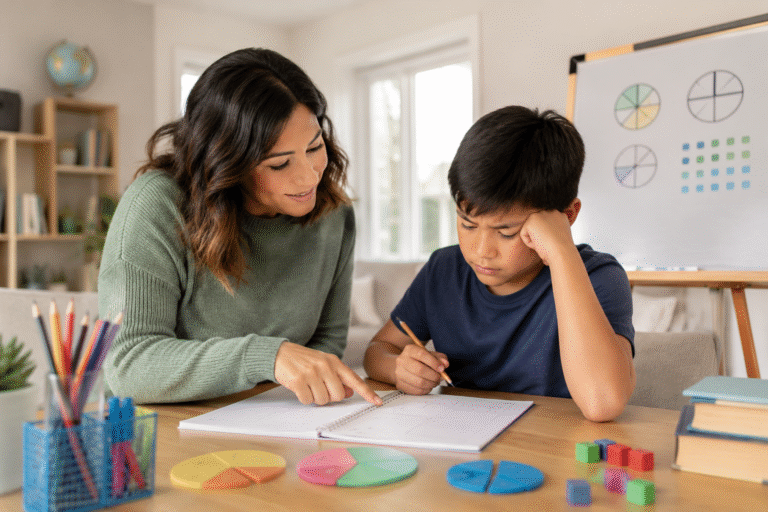
- uses visual aids, real‑life examples, and hands‑on activities
- asks your child to explain their thinking, not just give the answer
- checks for understanding before moving on to new topics
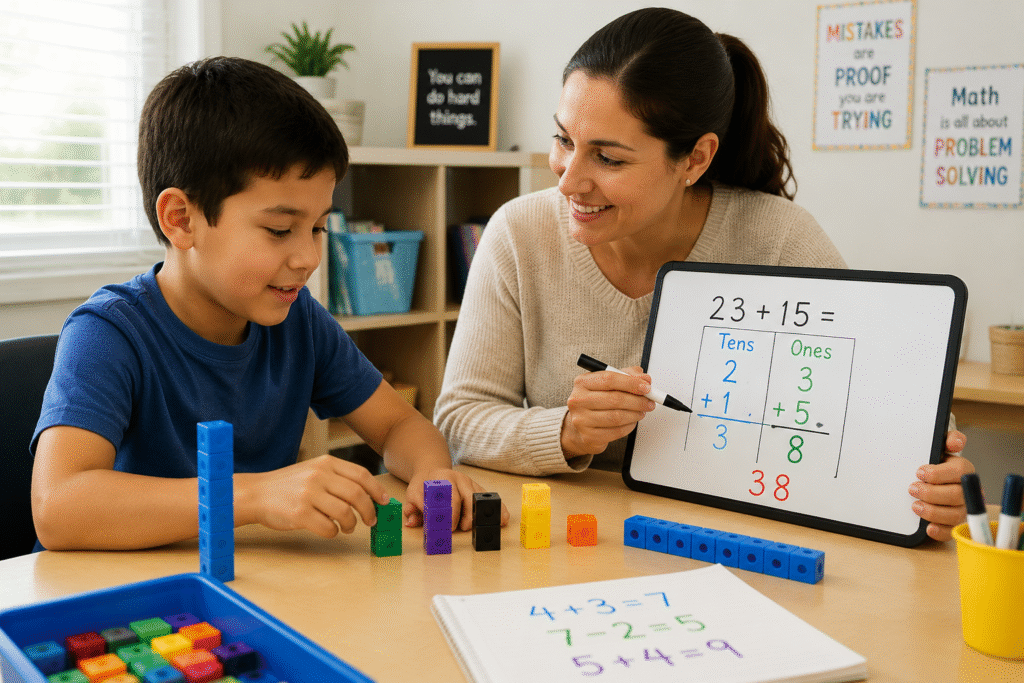
This focus on understanding helps your child:
- feel more in control
- recognize patterns in math
- remember procedures more easily
- apply their knowledge to new kinds of problems
When a child truly understands the “why” behind math, they become much more confident and independent learners.
2. They Know How to Build Math Confidence
A good tutor can teach math.
A great tutor can teach math and build confidence at the same time.
A great math tutor for kids:
- treats mistakes as part of learning, not as failure
- celebrates effort, not just correct answers
- gives specific praise (“You stayed focused even when it was hard”)
- sets achievable goals so your child can experience real progress
Confidence doesn’t appear overnight. It grows through small, consistent wins and a supportive relationship where your child feels safe saying, “I don’t understand.”
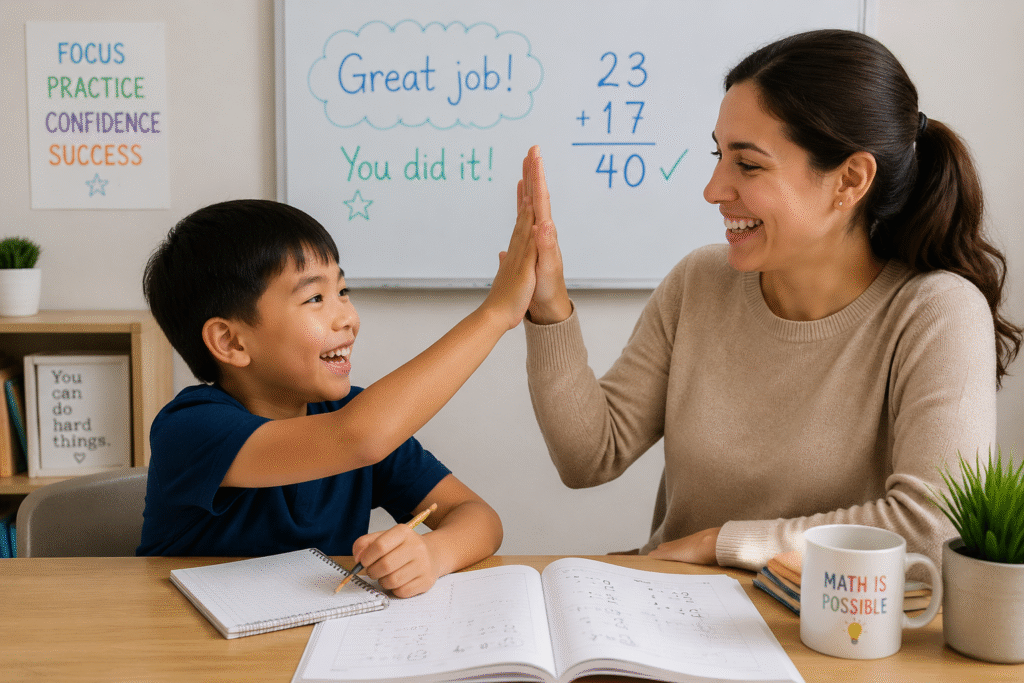
If building confidence is a big priority for you, you may also like: “How to Build Math Confidence in Kids.”
3. They Identify and Fix Foundational Gaps
Many math struggles are really foundation problems. A child might be learning fractions, but their trouble actually started with:
- weak number sense
- not being fluent with basic addition and subtraction
- confusion with multiplication and division
- difficulty understanding word problems
A great math tutor:
- starts by assessing what your child already knows
- finds gaps in key skills and concepts
- creates a plan to strengthen those areas step‑by‑step
- connects new topics back to solid foundations
Instead of just “helping with tonight’s homework,” they are focused on long‑term progress and a stronger overall math foundation.
4. They Adapt to Your Child’s Learning Style
Every child learns differently. Some need to see it. Some need to hear it. Some need to do it.
An effective math tutor for kids:
- adapts their teaching style to your child
- uses visual models and drawings for visual learners
- explains ideas out loud and asks questions for auditory learners
- uses manipulatives or hands‑on activities for kinesthetic learners
- adjusts the pace based on how quickly your child is understanding
This kind of personalized teaching helps your child feel seen, supported, and capable — not “behind” or “slow.”
5. They Make Math Engaging and Relatable
If math feels boring, kids check out.
A great kids’ math tutor knows how to make learning:
- interactive
- playful
- connected to real life
They might use:
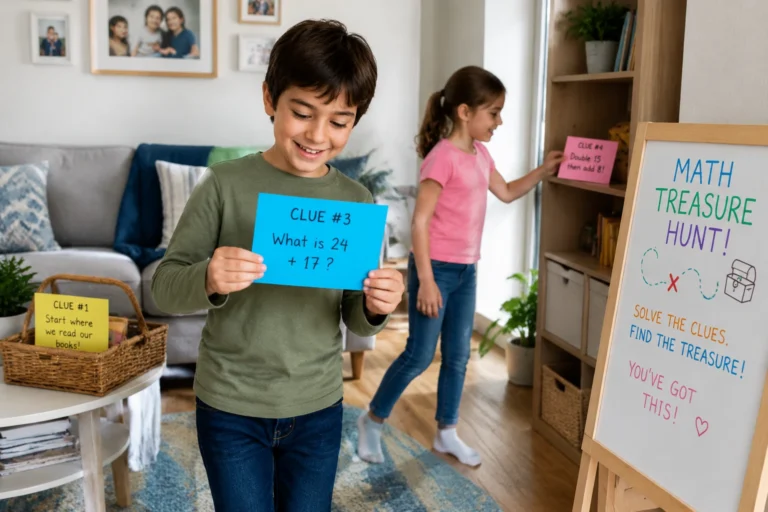
- math games and puzzles
- real‑world examples (shopping, sports scores, recipes)
- challenges and rewards to keep motivation high
- friendly competition or timed challenges (only when appropriate)
When math feels like a set of interesting challenges instead of a list of worksheets, children are more willing to try, practice, and stick with it.
6. They Communicate Clearly With Parents
You shouldn’t feel in the dark about your child’s progress.
A great math tutor:
- explains what your child is working on
- shares where your child is improving
- is honest about ongoing challenges
- offers tips for how you can support learning at home
This open communication helps you:
- understand the plan
- track progress over time
- feel confident that tutoring is making a difference
Good communication builds trust between the tutor, the child, and the parent — and that teamwork leads to better results.
7. They Use a Structured, Step‑by‑Step Approach
Structure is essential in math tutoring for kids. Without a clear plan, sessions can turn into random homework help instead of real progress.
An effective math tutor:
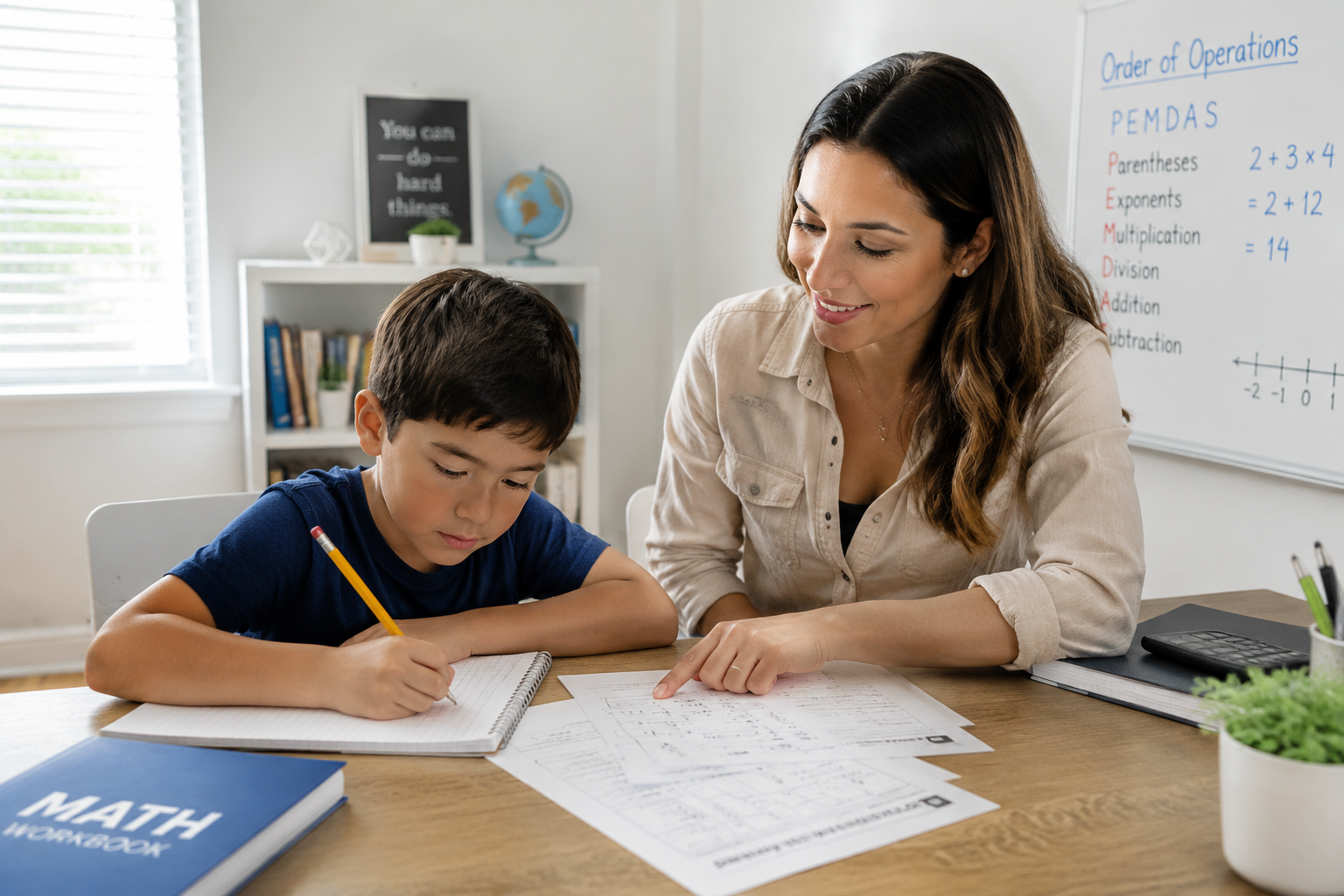
- has a clear plan for each session
- sets specific goals (for example, “understand regrouping in subtraction”)
- reviews key concepts at the beginning
- practices skills during the session
- ends with a quick check to see what your child has learned
This structure helps your child feel:
- less overwhelmed
- more focused
- proud of what they accomplished in each lesson
Over time, small, structured steps lead to big improvements.
8. They Are Patient, Encouraging, and Kind
You can have all the math skills in the world — but if you’re not patient with kids, you won’t be an effective tutor for them.
A great math tutor for children:
- stays calm when the child is stuck
- doesn’t rush or show frustration
- listens carefully to your child’s questions
- explains ideas in more than one way if needed
- builds a positive, trusting relationship
Kids learn best when they feel safe, respected, and supported. A warm, encouraging attitude is just as important as math expertise.
When Is It Time to Hire a Math Tutor?
It may be time to consider a math tutor if you notice that your child:
- is frequently frustrated by math homework
- says “I hate math” or “I’m just not good at math”
- avoids math whenever possible
- is falling behind in class
- studies hard but still doesn’t see results
- becomes anxious before tests or quizzes
The right tutor can step in before things become a long‑term problem and help your child rebuild both skills and confidence.
For more ideas on what you can do at home, see: “How to Help Your Child Improve Math Skills at Home.”
How to Choose the Right Math Tutor for Your Child
When you’re comparing options, you can use this checklist:
A great math tutor for kids should:
- have experience working with children at your child’s grade level
- be able to explain concepts clearly and simply
- show patience, empathy, and encouragement
- assess your child’s starting point and plan around it
- focus on understanding, not just getting homework done
- communicate regularly with you about progress
- make sessions engaging and interactive
Don’t be afraid to ask:
- “How do you handle it when a child feels stuck or frustrated?”
- “What is your approach to building confidence?”
- “How will you keep me updated on my child’s progress?”
The answers will tell you a lot about whether a tutor is a good fit for your child.
Final Thoughts: What Makes a Great Math Tutor for Kids?
A great math tutor is more than someone who “is good at math.” They are:
- a coach who encourages your child
- a guide who makes difficult concepts simple
- a supportive adult who believes in your child’s potential
When you find the right tutor, you’ll notice:
- less stress around homework
- more confidence in class
- better understanding of key concepts
- a healthier, more positive attitude toward math
And most importantly, your child will begin to see themselves as capable, not “bad at math.”